Choosing the right industrial transformer is a critical decision. It can affect your facility’s safety and budget for many years to come.
The two main options are liquid-filled transformers and dry type transformers.
Your best choice depends on several key factors. These include your location, application, safety needs, and Total Cost of Ownership (TCO).
This guide gives you a clear framework to make the right call.
The table below shows the key differences between the two types at a glance.
| Feature | Dry Type Transformer | Liquid-Filled Transformer |
|---|---|---|
| Cooling Medium | Air / Cast Resin | Mineral Oil / Natural Ester |
| Typical Location | Indoors, commercial buildings | Outdoors, substations, vaults |
| Fire Risk | Very Low | Higher (requires containment) |
| Maintenance | Low (cleaning, inspections) | Higher (oil testing, filtering) |
| Initial Cost | Higher | Lower |
| Efficiency | Good to High | High to Very High |
| Lifespan | 25-30 years | 30-40+ years |
| Footprint | Larger per kVA | Smaller per kVA |
This table helps frame your decision. Whether you lean toward a liquid-filled model or a dry type transformer, the next step is to look at real specs.
Features a fully oil-filled, sealed corrugated tank that naturally adapts to oil expansion. Engineered for high efficiency and low loss to significantly save power consumption and operating costs.

The purchase price is only part of the picture. Total Cost of Ownership (TCO) shows the full financial impact of a transformer over its life.
Estimate the 20-year Total Cost of Ownership comparing Dry Type and Liquid-Filled transformers based on your facility’s specific parameters.
Dry type transformers usually cost 20-40% more to buy upfront. However, indoor installation is often simpler and cheaper because they don’t need oil containment or major fire suppression systems.
Liquid-filled transformers have a lower initial price. But outdoor setups may need concrete pads and spill containment, which adds to the total project cost.
Energy losses, both no-load and load losses, create ongoing costs throughout the transformer’s life.
Liquid-filled transformers tend to be slightly more efficient, especially at higher power levels. Over decades of use, this can add up to major energy savings.
New design improvements keep raising efficiency for both types. This progress is driven by the growing market for dry-type transformers and tighter energy rules.
Dry type transformers need very little maintenance, mostly just cleaning and tightening connections now and then.
Liquid-filled units need regular transformer oil testing and sometimes filtering or full oil replacement. When the unit reaches end of life, the oil must be disposed of according to environmental rules.
The efficiency rating on a datasheet is more than just a number — it directly predicts your future energy bills.
Knowing how long a transformer will last is key for long-term budget planning.
A well-maintained dry type transformer typically lasts 25-30 years. A liquid-filled unit can often run for 30-40 years or more.
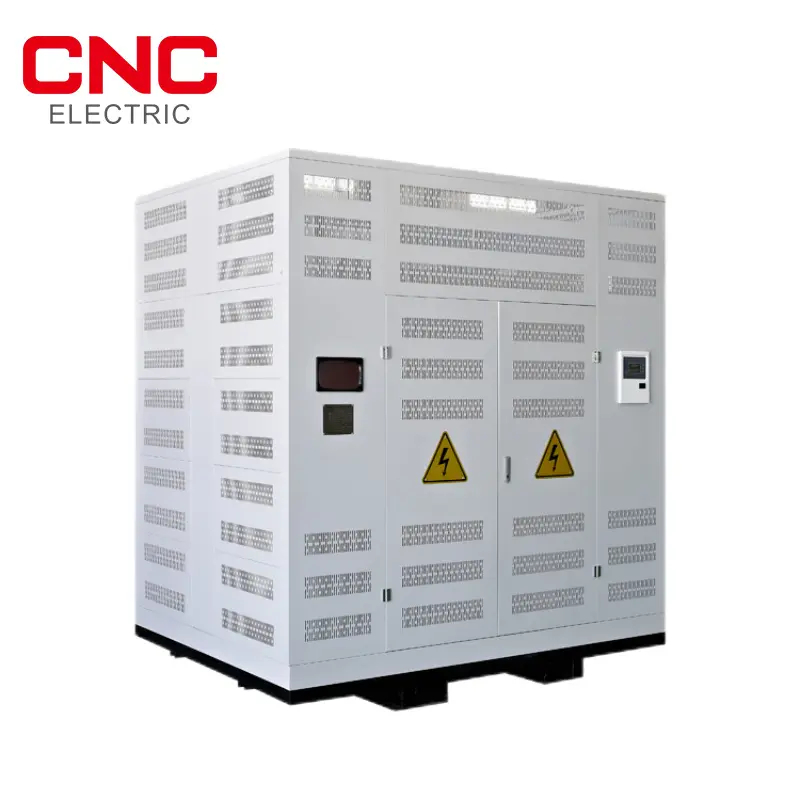
The main cause of aging in a dry type transformer is heat breaking down the solid insulation, such as resin or Nomex. Each insulation material has a rated temperature class, such as Class H at 180°C.
Good ventilation is absolutely critical. Keeping the unit cool is the single most important step to ensure a long service life and avoid early failure.
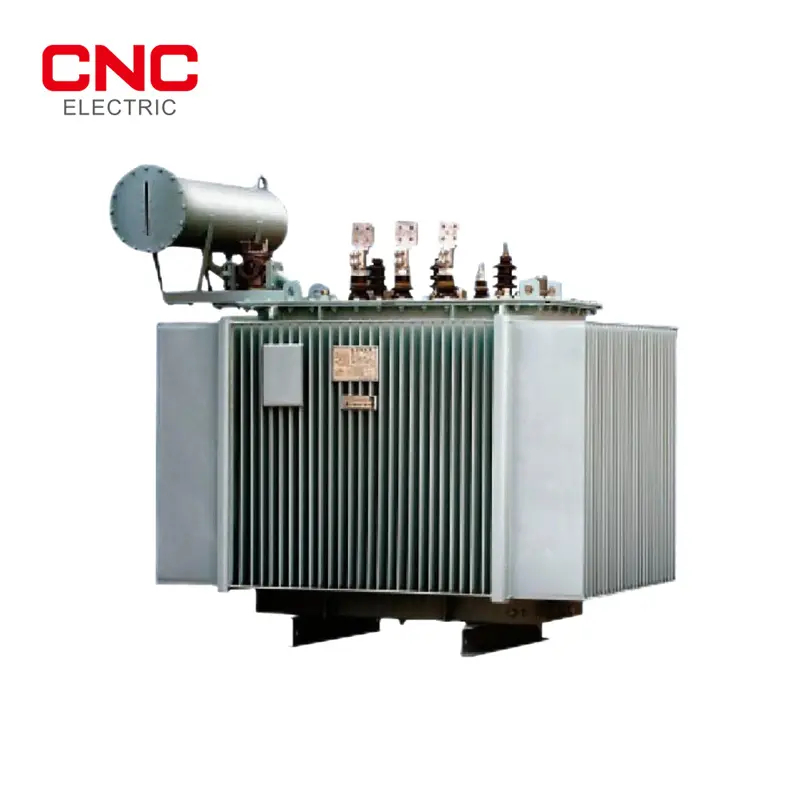
In a liquid-filled transformer, the oil does two jobs: it cools the windings and shields the internal paper insulation from breaking down.
Regular oil analysis, especially Dissolved Gas Analysis (DGA), works like a blood test for the transformer. It lets you spot and fix internal problems before they cause a serious failure.
This diagnostic ability, highlighted in best practices for preventive maintenance for a liquid-filled transformer, is a major advantage that dry type units simply cannot offer.
For many facilities, safety and environmental rules are non-negotiable factors that shape the final decision.
Having no flammable liquid gives dry type transformers a clear edge in fire safety.
They are the standard choice for indoor use, especially in places like hospitals, schools, data centers, and commercial high-rises where the public has access.
Installation rules come from standards like the National Electrical Code (NEC) Article 450. This code sets specific safety steps for different transformer types and locations.
Liquid filled transformers carry a real risk of oil leaks and spills, which can harm soil and water.
Facilities that use oil-filled equipment often must follow strict EPA Spill Prevention, Control, and Countermeasure (SPCC) regulations about containment and spill response.
The industry has responded by developing safer options like natural esters, such as FR3 fluid. These fluids are less flammable and biodegradable, which reduces both the fire risk and environmental impact compared to standard mineral oil.
Use this final framework to guide your decision based on your specific needs and priorities.
The choice between a dry type and a liquid-filled transformer is not about which one is better overall. It is about which one is the right fit for your specific situation.
The decision comes down to weighing the strong safety record and low upkeep of a dry type against the cost savings and durability of a liquid-filled unit.
With this knowledge, you are ready to make a confident and well-informed decision for your facility’s power needs.
 Products
 Projects
 Solutions
 Service
 News
News About CNC
 Contact Us